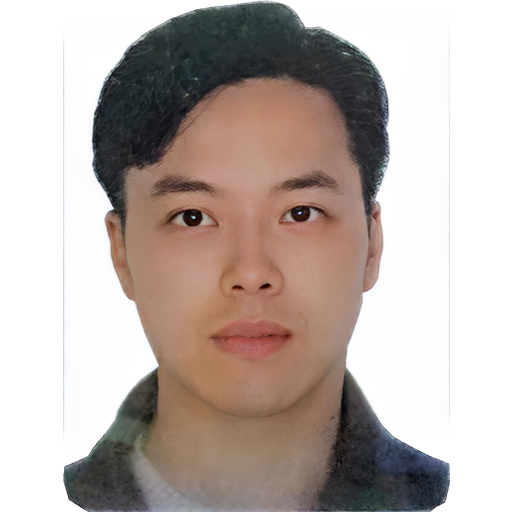
I am a Tenure-Track Assistant Professor at the Department of Data Science and Artificial Intelligence (DSAI), The Hong Kong Polytechnic University (PolyU). Prior to that, I was a research scientist at the College of Computing and Data Science, Nanyang Technological University, working with Prof. Dacheng Tao. I received my Ph.D. degree from S-Lab, School of Computer Science and Engineering, Nanyang Technological University in 2023, advised by Prof. Shijian Lu. I obtained my Bachelor’s degrees from University of Glasgow and University of Electronic Science and Technology of China in 2018.
My primary research interests lie in advancing multimodal AI, with a long-term vision of developing intelligent multimodal systems that can perceive, understand and interact with our world safely and reliably, enabling them to serve as effective and efficient assistants to humans. My recent research focuses on topics including vision foundation model and multimodal foundation model (e.g., VLM, MLLM and LLM) for building scalable, generalizable, embodied, and agentic multimodal AI.
Join Our Team:
[Openings:] We have multiple openings for PhD students, postdoctoral fellows, (remote) visiting students/scholars and research assistants/interns.
We are actively seeking talented and motivated researchers to join our group as PhD students, postdoctoral fellows, (remote) visiting students/scholars and research assistants/interns. Our team welcomes outstanding applicants (especially international students) who possess strong technical backgrounds and a deep interest in advancing AI.
Our current research explores Artificial Intelligence, Deep Learning and Computer Vision with the following key topics:
- Large Language Model, Multimodal LLM, Vision-Language Model, AGI, AutoML, SFT, RL, Data Synthesis
- AI Agent & Agentic AI
- Embodied AI
- AI + X: Science, Healthcare
Our latest works and publications can be found in Google Scholar.
If you are interested in joining us, please visit the Openings for detailed information on available positions and application procedures.
News
- [2026] Serving as TNNLS (IEEE Transactions on Neural Networks and Learning Systems) Associate Editor.
- [2025] Serving as Pattern Recognition Associate Editor.
- [2025] Invited to serve as area chair of ICML 2026.
- [2025] Four papers are accepted by NeurIPS 2025 (One Spotlight).
- [2025] I was listed among the 2024, 2025 World’s Top 2% Scientists by Stanford University.
- [2025] Invited to serve as ICLR 2026 area chair.
- [2025] One paper is accepted by IJCV. Three papers are accepted by ICCV 2025.
- [2025] Invited to serve as NeurIPS 2025 area chair.
- [2024] Three papers are accepted by NeurIPS 2024.
- [2024] Invited to serve as an Area Chair for WACV 2025. Invited to serve as an Area Chair for BMVC 2024.
- [2024] One paper accepted by ECCV 2024. One paper accepted by CVPR 2024. One paper accepted by TPAMI. One paper accepted by IJCV; One paper accepted by ICLR 2024.
More
- [Oct, 2023] One paper accepted by TIP. - [July, 2023] Two papers are accepted by ICCV 2023. - [Mar, 2023] Three papers are accepted by CVPR 2023; Two papers are accepted by TPAMI. - [Feb, 2023] Two papers are accepted by TPAMI 2023. - [Dec, 2022] Two papers are accepted by NeurIPS 2022. - [July, 2022] Two papers are accepted by ECCV 2022. - [Mar, 2022] Three papers are accepted by CVPR 2022.
Publications
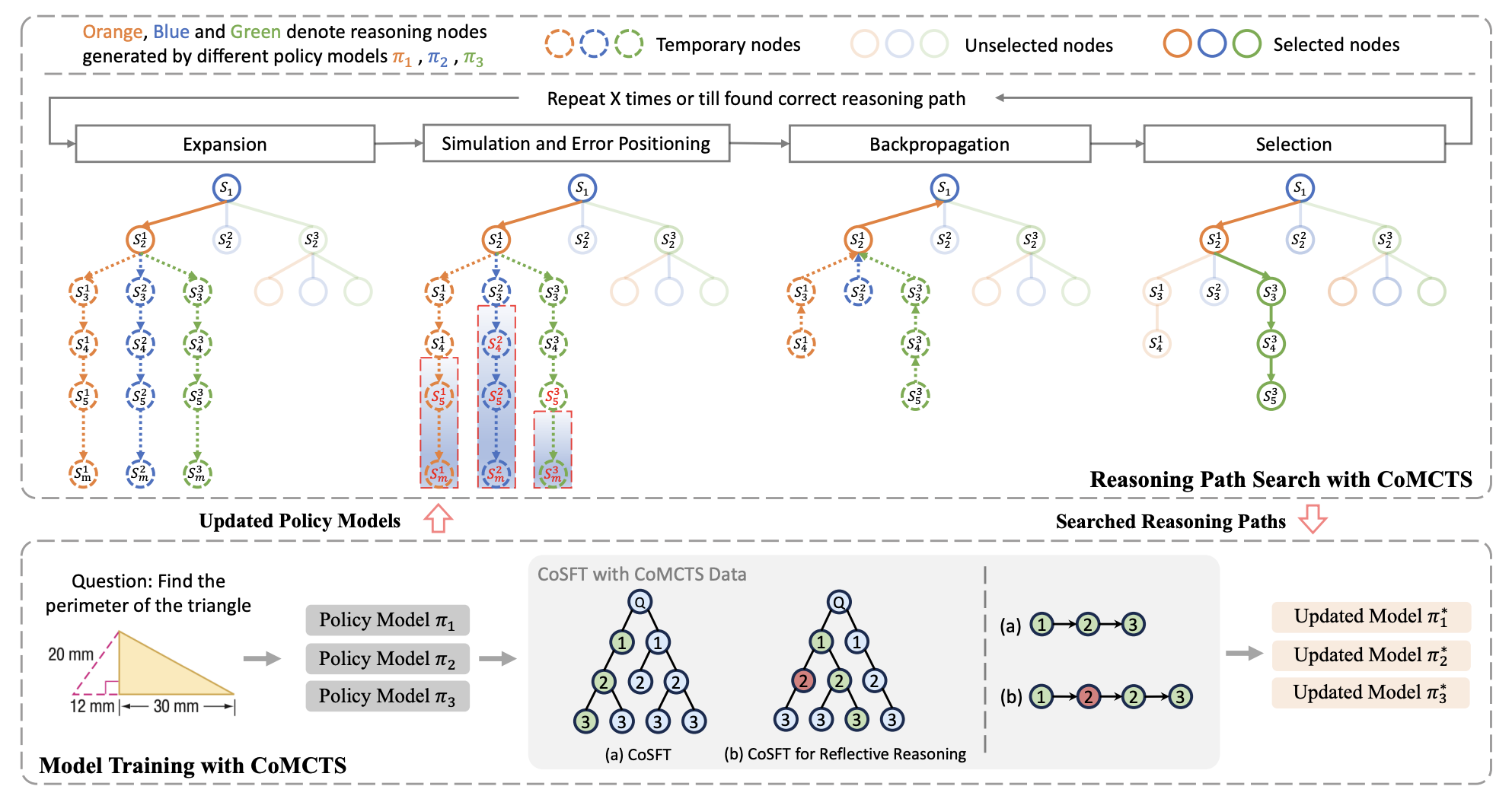
Huanjin Yao, Jiaxing Huang*✉️, Wenhao Wu, Jingyi Zhang, Yibo Wang, Shunyu Liu, Yingjie Wang, Yuxin Song, Haocheng Feng, Li Shen, Dacheng Tao
Neural Information Processing Systems (NeurIPS), 2025. (Spotlight)
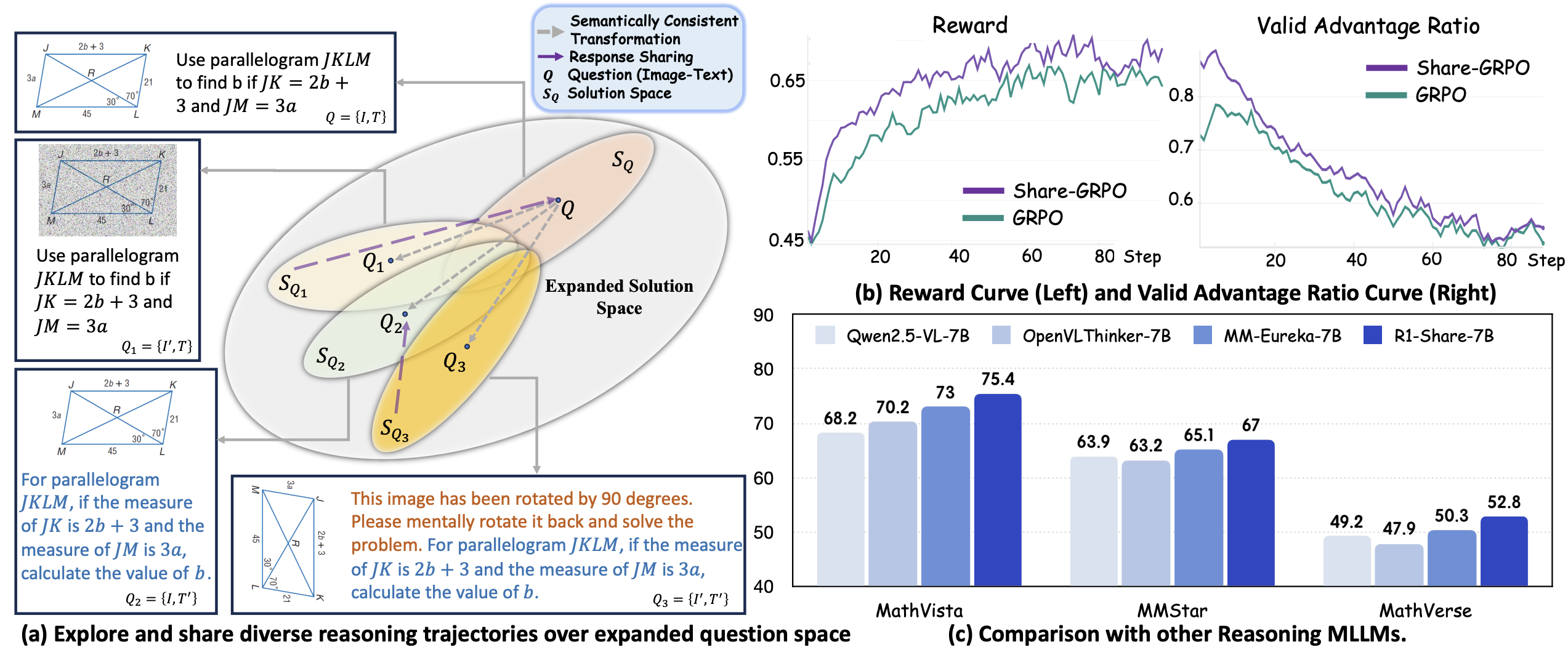
R1-ShareVL: Incentivizing Reasoning Capability of Multimodal Large Language Models via Share-GRPO
Huanjin Yao, Qixiang Yin, Jingyi Zhang, Min Yang, Yibo Wang, Wenhao Wu, Fei Su, Li Shen, Minghui Qiu, Dacheng Tao, Jiaxing Huang*✉️
Neural Information Processing Systems (NeurIPS), 2025.
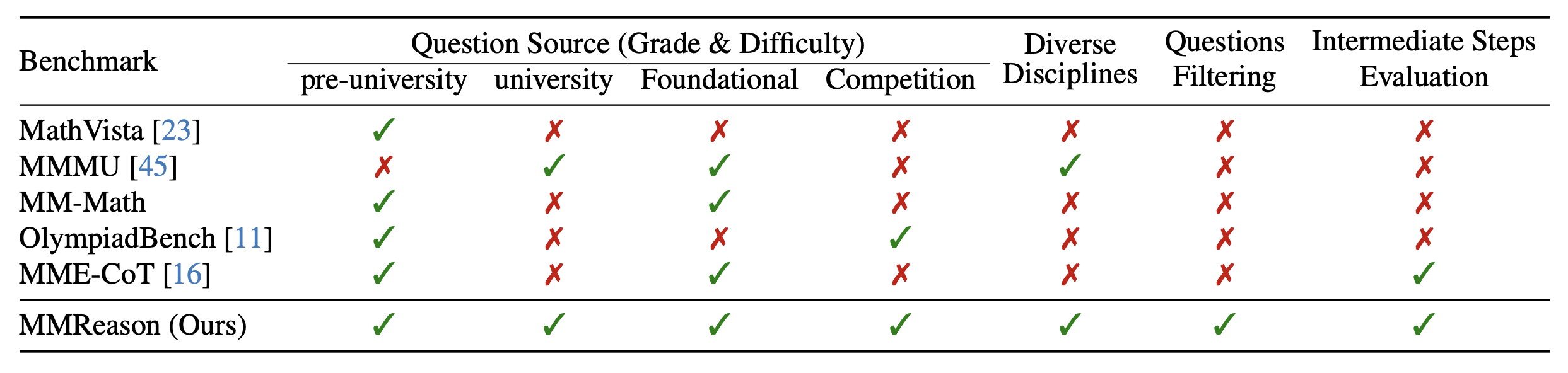
MMReason: An Open-Ended Multi-Modal Multi-Step Reasoning Benchmark for MLLMs Toward AGI
Huanjin Yao, Jiaxing Huang*✉️, Yawen Qiu, Michael K Chen, Wenzheng Liu, Wei Zhang, Wenjie Zeng, Xikun Zhang, Jingyi Zhang, Yuxin Song, Wenhao Wu, Dacheng Tao
International Conference on Computer Vision (ICCV), 2025.
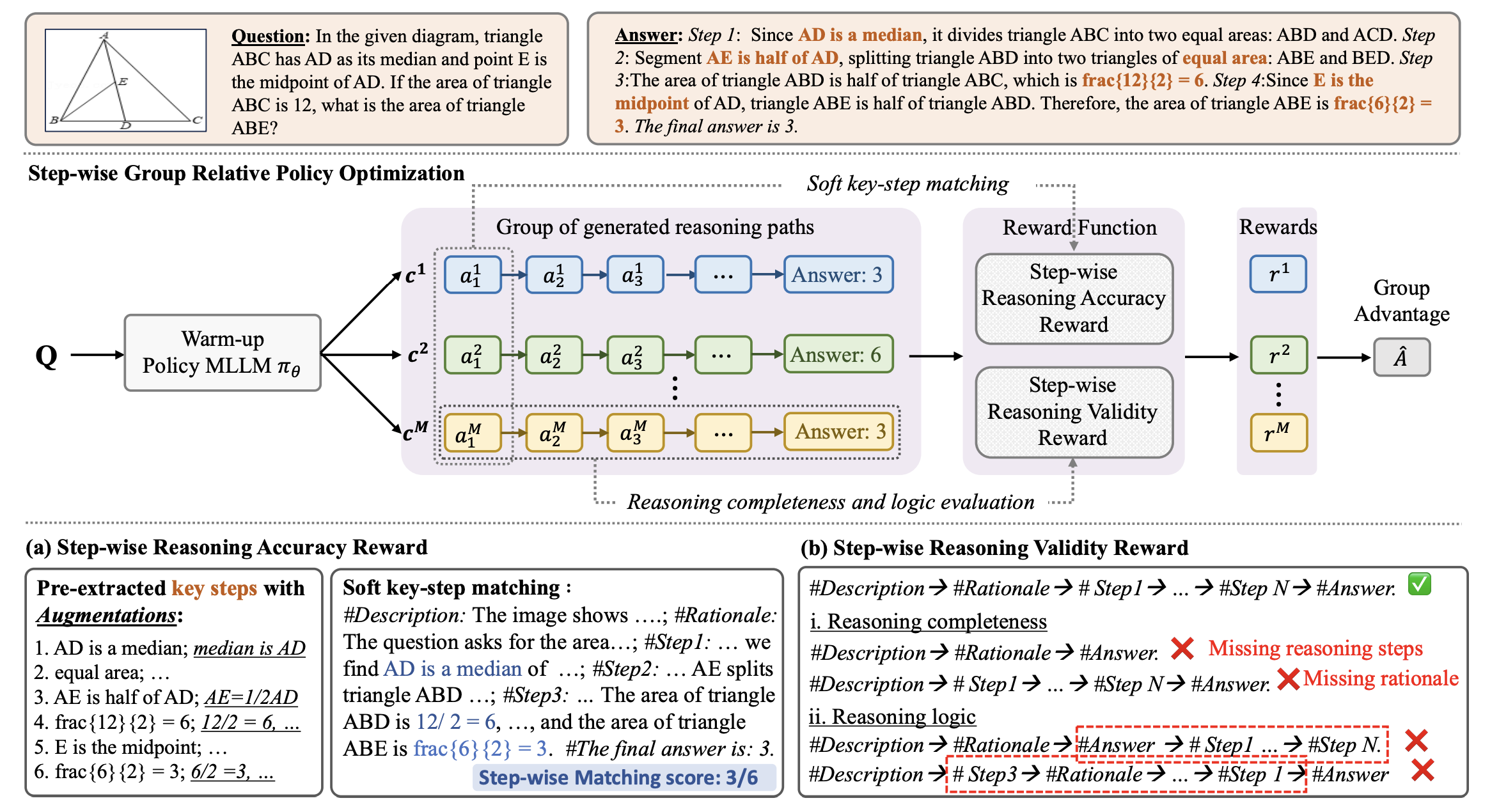
Jingyi Zhang, Jiaxing Huang*✉️, Huanjin Yao, Shunyu Liu, Xikun Zhang, Shijian Lu, Dacheng Tao
International Conference on Computer Vision (ICCV), 2025.
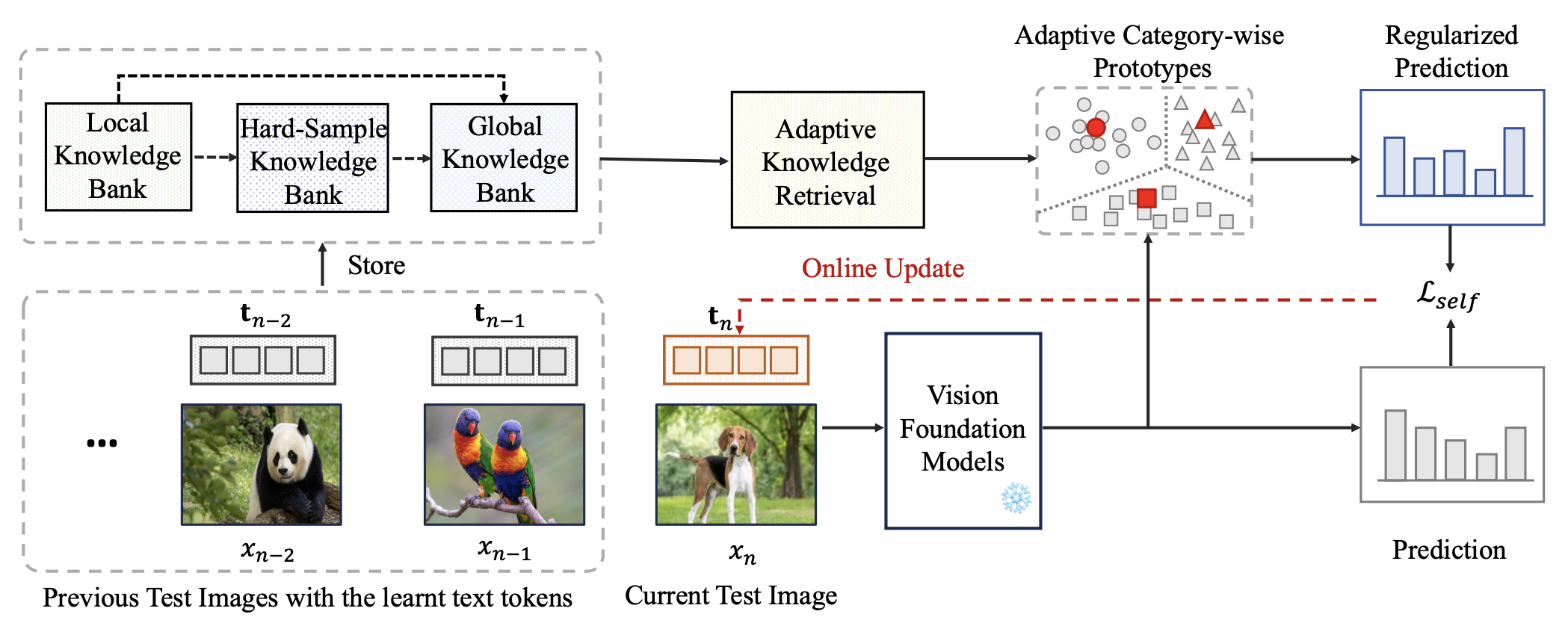
Historical Test-time Prompt Tuning for Vision Foundation Models
Jingyi Zhang^, Jiaxing Huang^, Xiaoqin Zhang, Ling Shao, Shijian Lu
Neural Information Processing Systems (NeurIPS), 2024
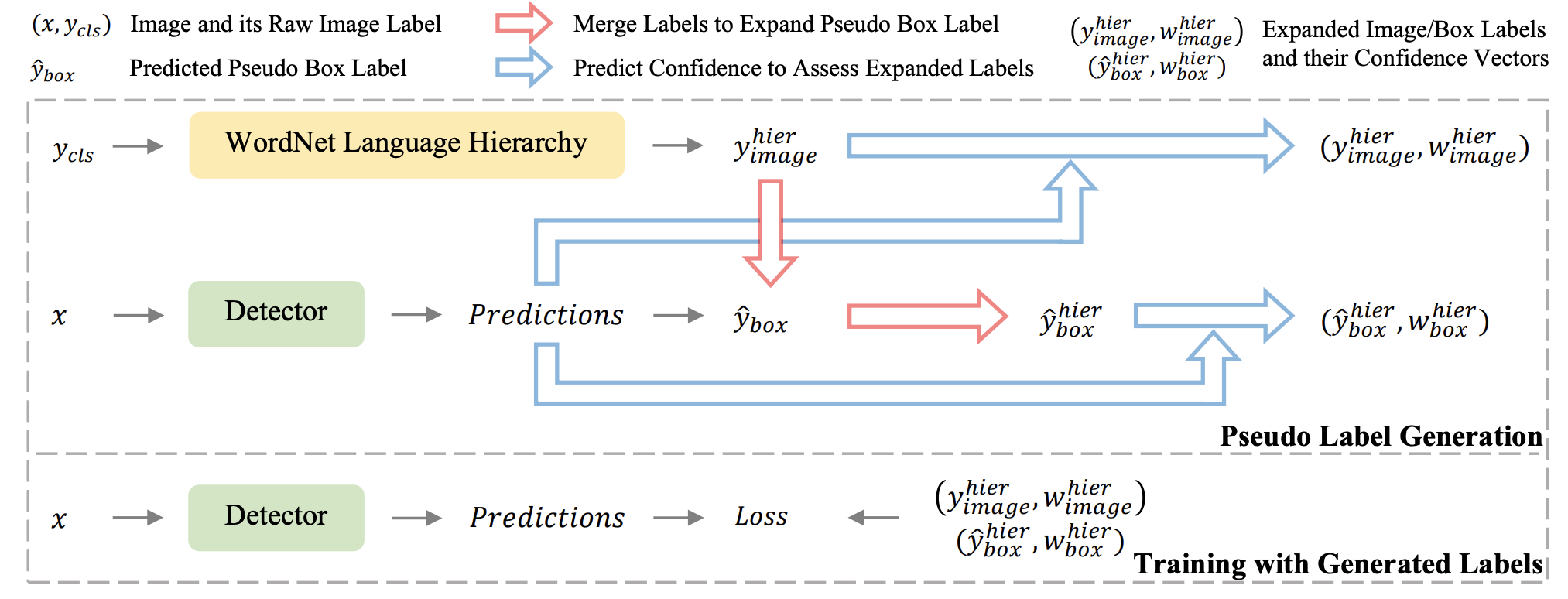
Open-Vocabulary Object Detection via Language Hierarchy
Jiaxing Huang, Jingyi Zhang, Kai Jiang, Shijian Lu
Neural Information Processing Systems (NeurIPS), 2024
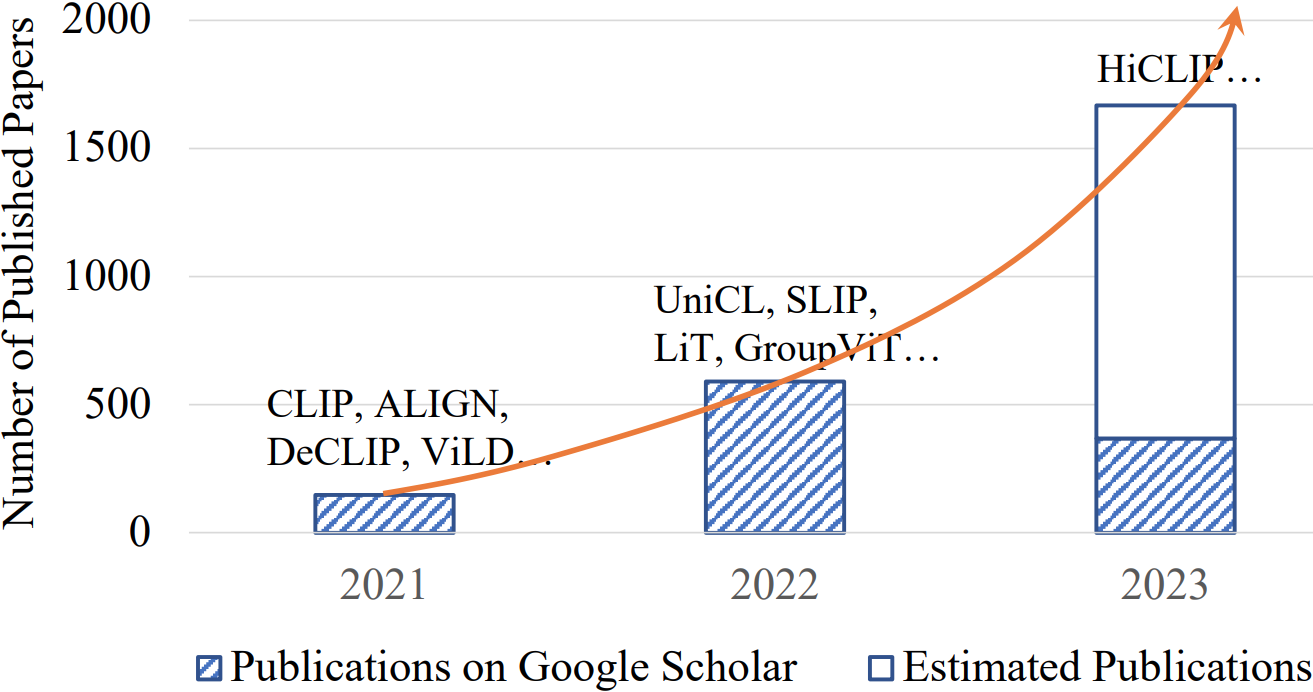
Vision-Language Models for Vision Tasks: A Survey
Jingyi Zhang^, Jiaxing Huang^, Sheng Jin and Shijian Lu
IEEE Transactions on Pattern Analysis and Machine Intelligence (TPAMI), 2024
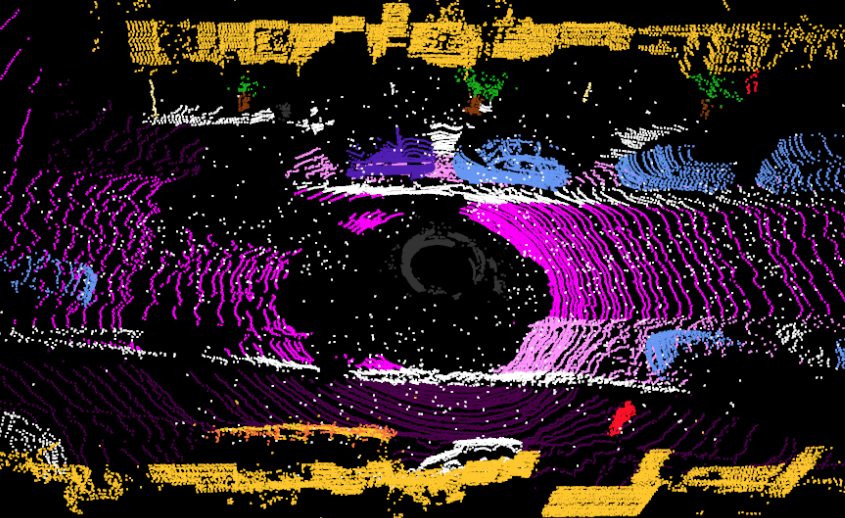
3D Semantic Segmentation in the Wild: Learning Generalized Models for Adverse-Condition Point Clouds
Aoran Xiao, Jiaxing Huang, Weihao Xuan, Ruijie Ren, Kangcheng Liu, Dayan Guan, Abdulmotaleb El Saddik, Shijian Lu, Eric Xing
Computer Vision and Pattern Recognition (CVPR), 2023
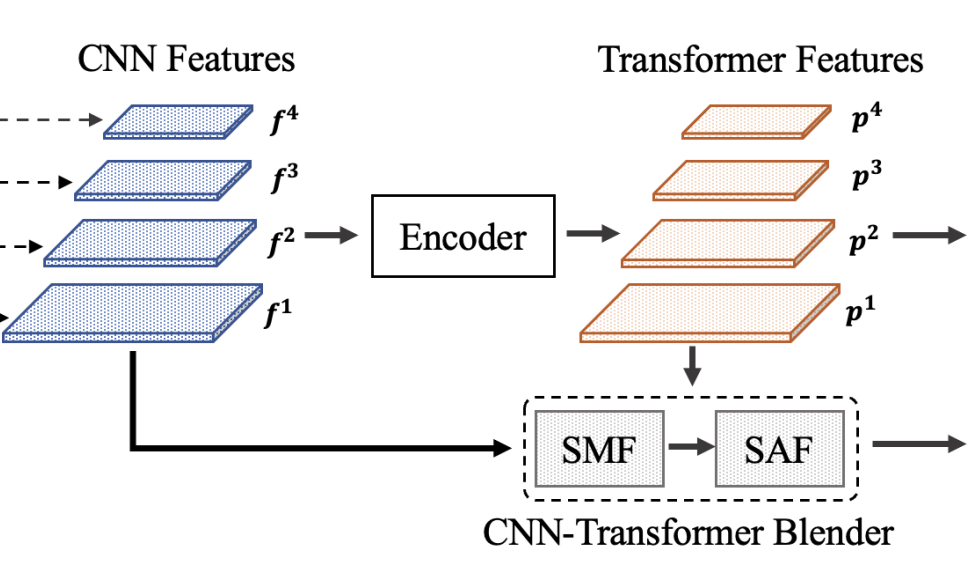
DA-DETR: Domain Adaptive Detection Transformer With Information Fusion
Jingyi Zhang^, Jiaxing Huang^, Zhipeng Luo, Gongjie Zhang, Xiaoqin Zhang, Shijian Lu
Computer Vision and Pattern Recognition (CVPR), 2023
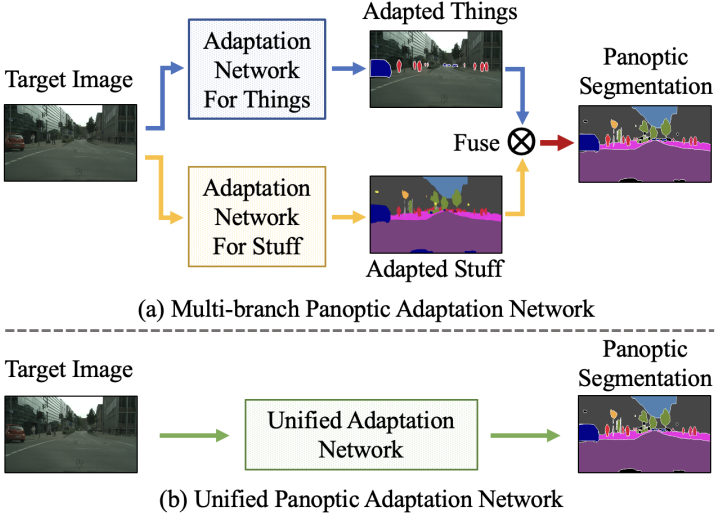
Jingyi Zhang^, Jiaxing Huang^, Xiaoqin Zhang, Shijian Lu
Computer Vision and Pattern Recognition (CVPR), 2023
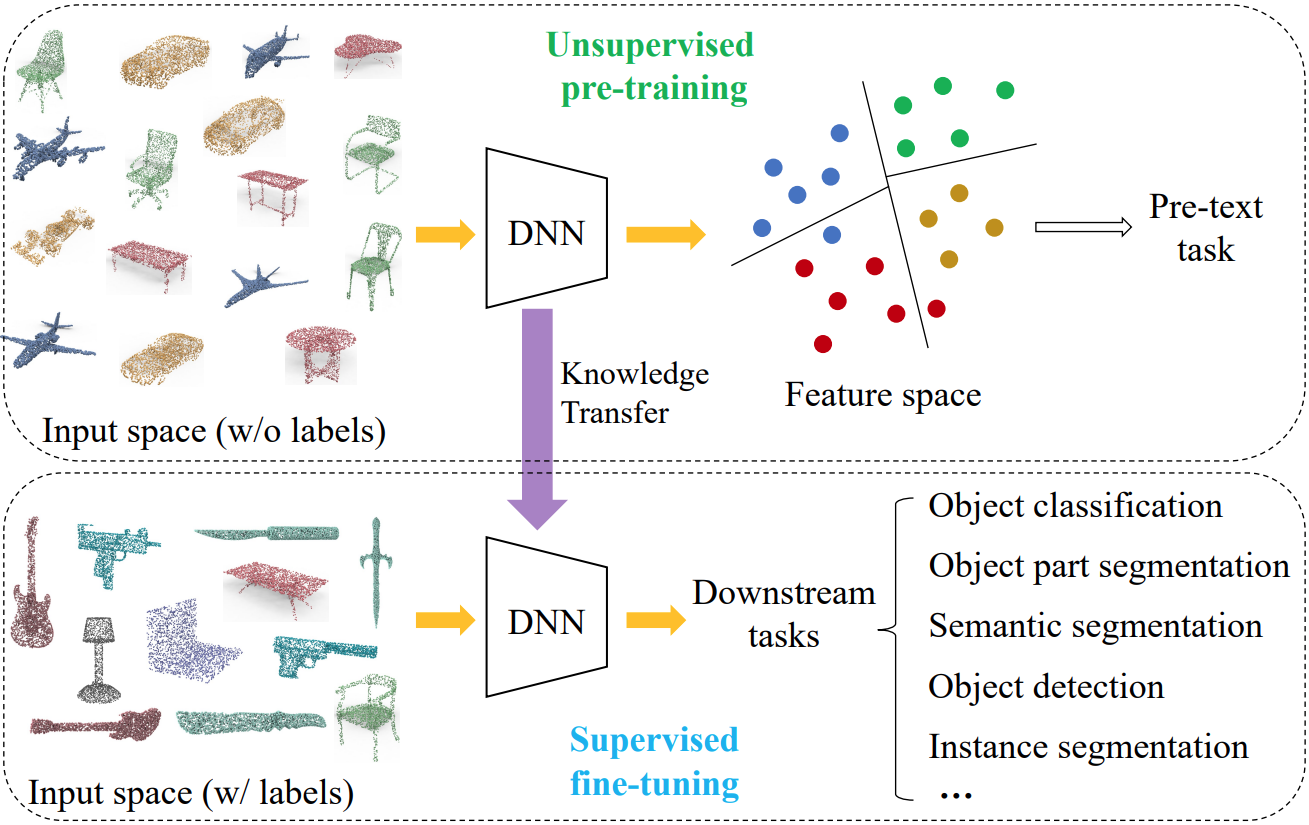
Unsupervised Representation Learning for Point Clouds with Deep Neural Networks: A Survey
Aoran Xiao^, Jiaxing Huang^, Dayan Guan, Xiaoqin Zhang, Shijian Lu
IEEE Transactions on Pattern Analysis and Machine Intelligence (TPAMI), 2023
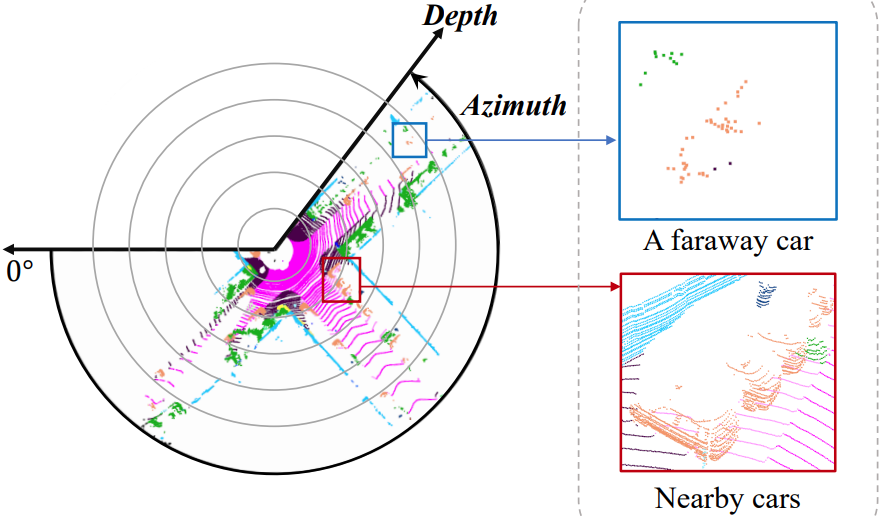
PolarMix: A General Data Augmentation Technique for LiDAR Point Clouds
Aoran Xiao, Jiaxing Huang, Dayan Guan, Kaiwen Cui, Shijian Lu, Ling Shao
Neural Information Processing Systems (NeurIPS), 2022
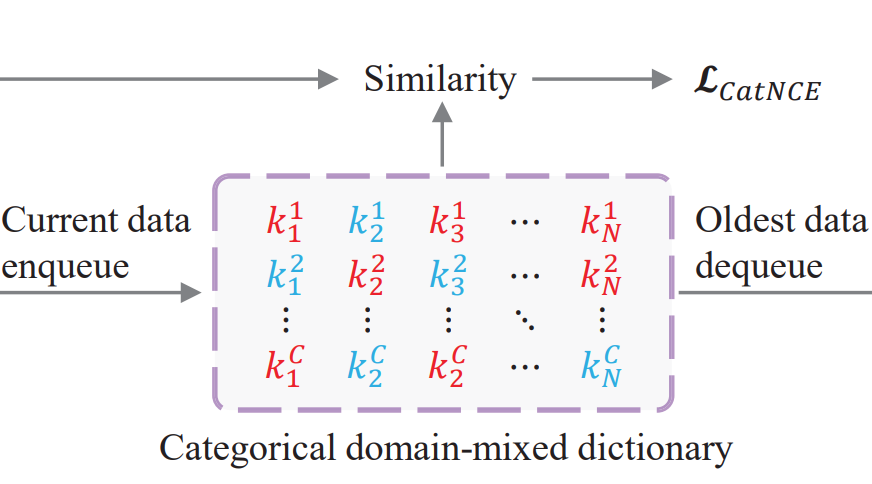
Category Contrast for Unsupervised Domain Adaptation in Visual Tasks
Jiaxing Huang, Dayan Guan, Aoran Xiao, Shijian Lu, Ling Shao
Computer Vision and Pattern Recognition (CVPR), 2022
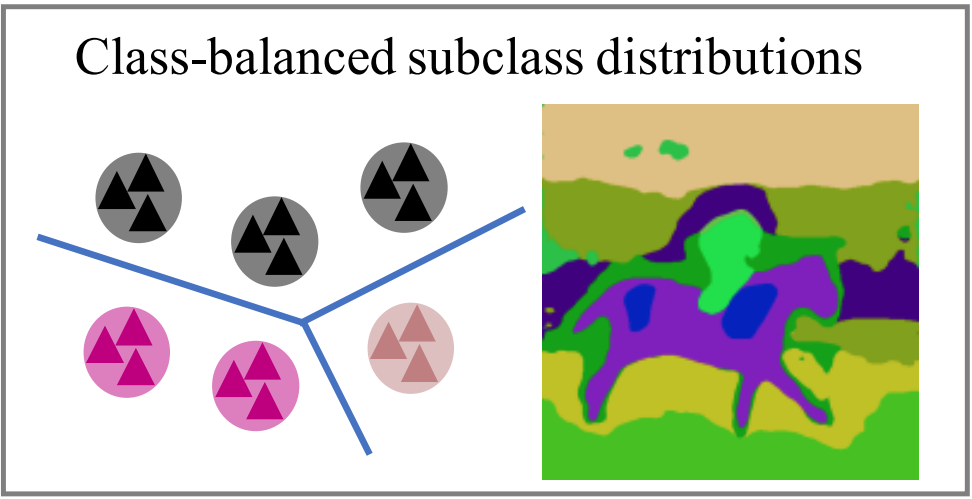
Unbiased Subclass Regularization for Semi-Supervised Semantic Segmentation
Dayan Guan, Jiaxing Huang, Aoran Xiao, Shijian Lu
Computer Vision and Pattern Recognition (CVPR), 2022
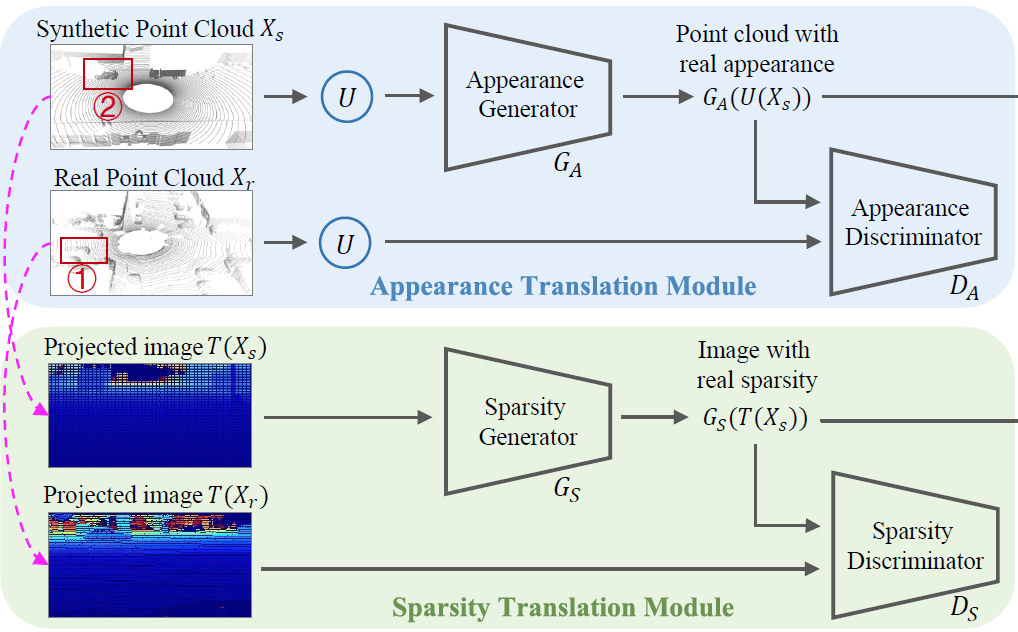
Transfer Learning from Synthetic to Real LiDAR Point Cloud for Semantic Segmentation
Aoran Xiao, Jiaxing Huang, Dayan Guan, Fangneng Zhan, Shijian Lu
AAAI Conference on Artificial Intelligence (AAAI), 2022
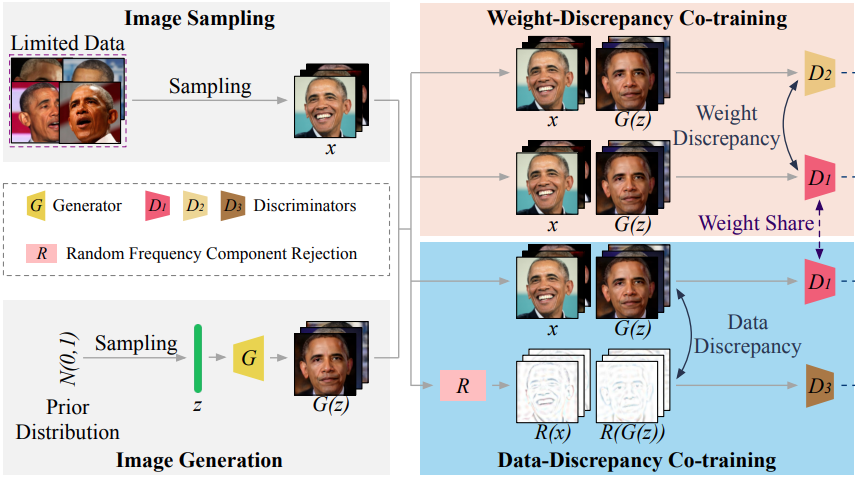
GenCo: Generative Co-training for Generative Adversarial Networks with Limited Data
Kaiwen Cui^, Jiaxing Huang^, Zhipeng Luo, Gongjie Zhang, Fangneng Zhan,Shijian Lu
AAAI Conference on Artificial Intelligence (AAAI), 2022
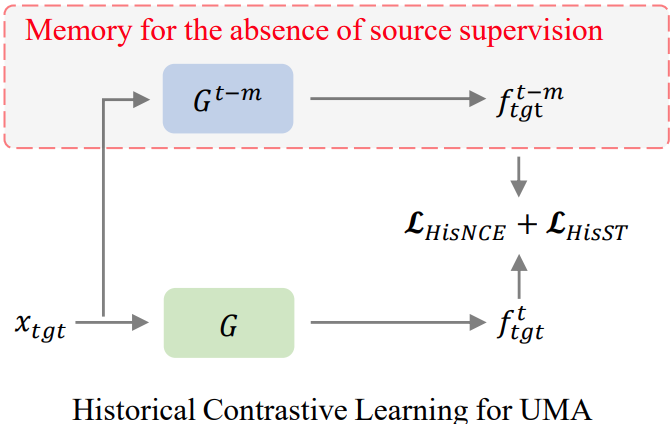
Jiaxing Huang, Dayan Guan, Aoran Xiao, Shijian Lu
Neural Information Processing Systems (NeurIPS), 2021
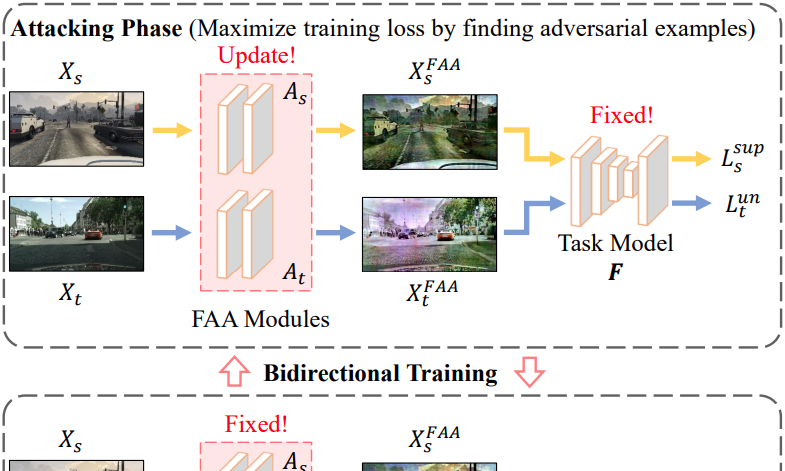
RDA: Robust Domain Adaptation via Fourier Adversarial Attacking
Jiaxing Huang, Dayan Guan, Aoran Xiao, Shijian Lu
International Conference on Computer Vision (ICCV), 2021
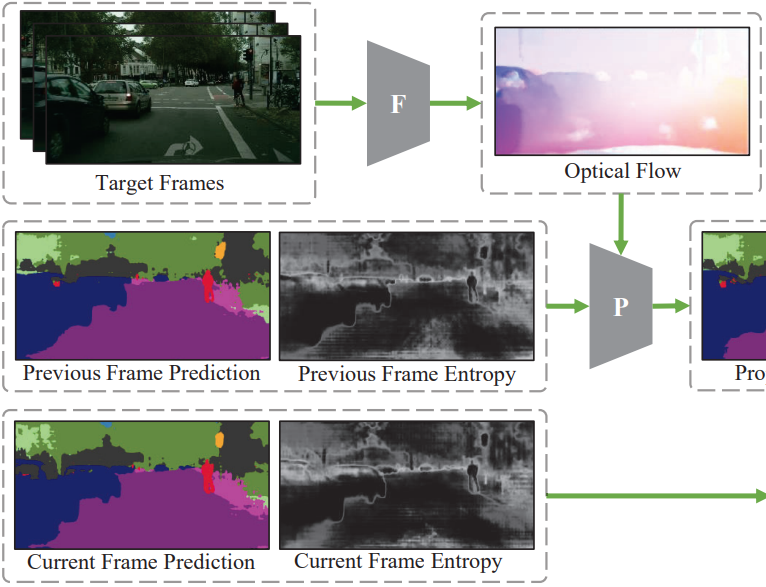
Domain Adaptive Video Segmentation via Temporal Consistency Regularization
Dayan Guan, Jiaxing Huang, Aoran Xiao, Shijian Lu
International Conference on Computer Vision (ICCV), 2021
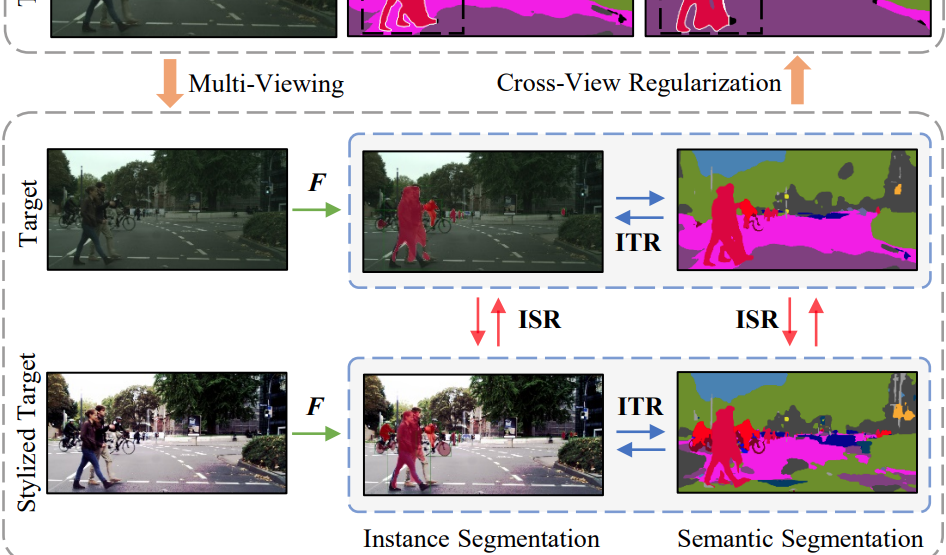
Cross-View Regularization for Domain Adaptive Panoptic Segmentation
Jiaxing Huang, Dayan Guan, Aoran Xiao, Shijian Lu
Computer Vision and Pattern Recognition (CVPR), 2021 (Oral)
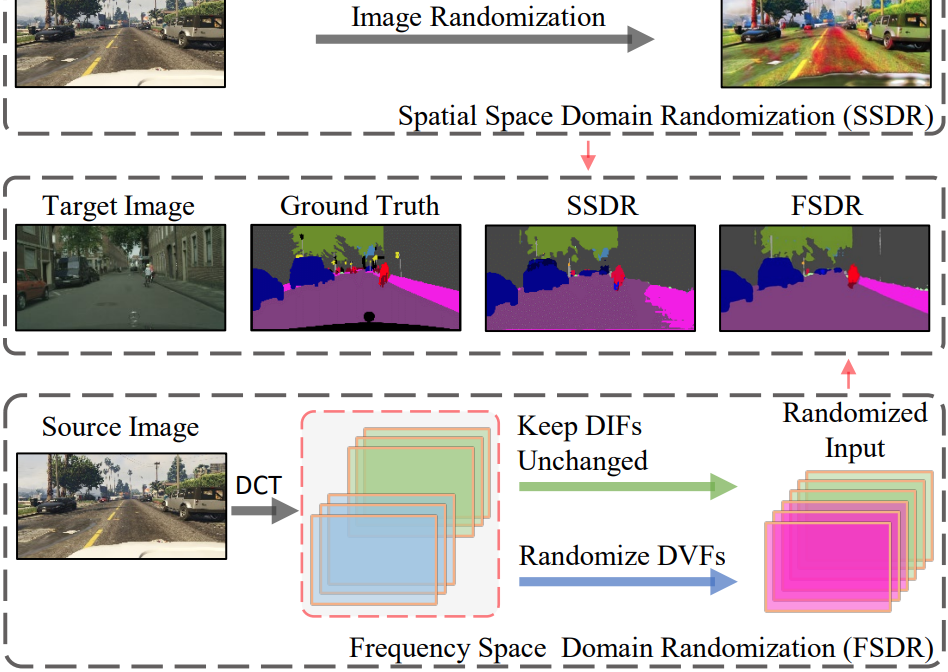
FSDR: Frequency Space Domain Randomization for Domain Generalization
Jiaxing Huang, Dayan Guan, Aoran Xiao, Shijian Lu
Computer Vision and Pattern Recognition (CVPR), 2021
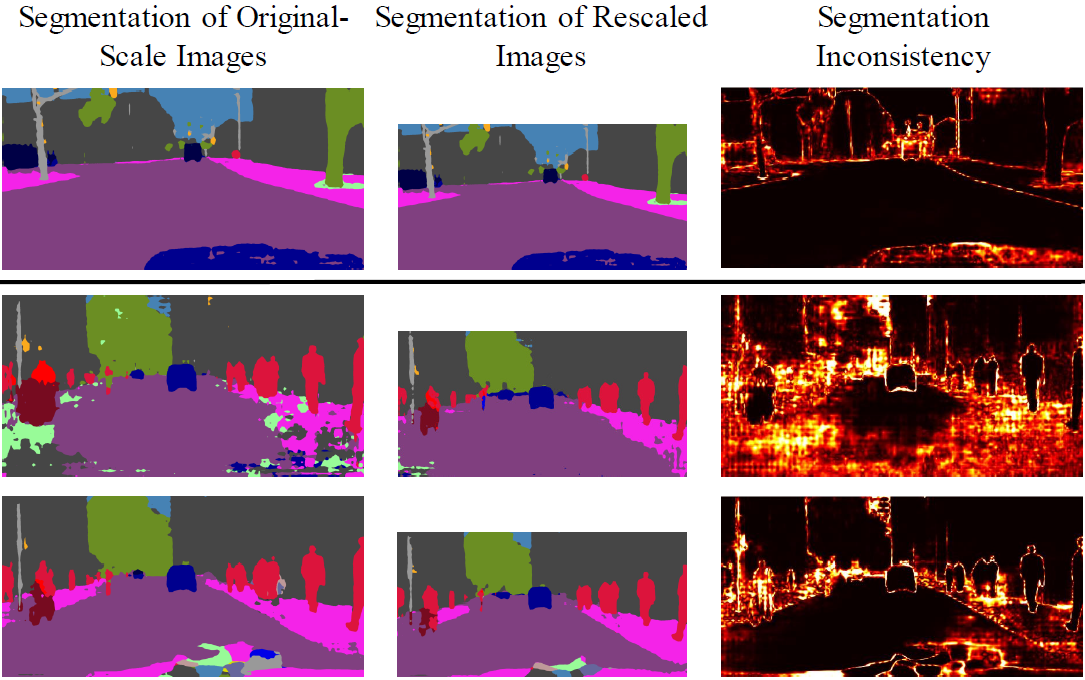
Scale Variance Minimization for Unsupervised Domain Adaptation in Image Segmentation
Dayan Guan, Jiaxing Huang, Aoran Xiao, Shijian Lu
Pattern Recognition (PR), 2021
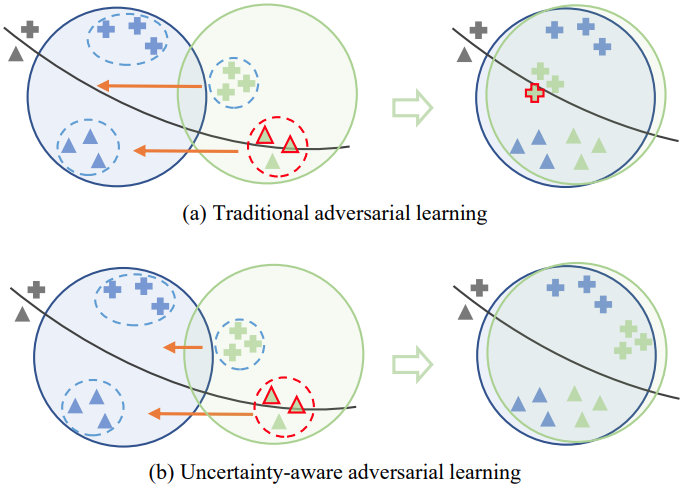
Uncertainty-Aware Unsupervised Domain Adaptation in Object Detection
Dayan Guan, Jiaxing Huang, Aoran Xiao, Shijian Lu, Yanpeng Cao
IEEE Transactions on Multimedia (TMM), 2021
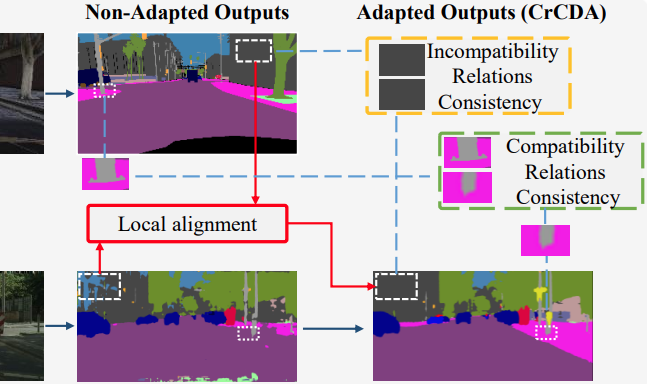
Contextual-Relation Consistent Domain Adaptation for Semantic Segmentation
Jiaxing Huang, Shijian Lu, Dayan Guan, Xiaobing Zhang
European Conference on Computer Vision (ECCV), 2020
Awards and Services
Selected Honors and Awards
- World’s Top 2% Scientists listed by Stanford University, 2024, 2025.
- Outstanding PhD Thesis Award (3rd place with Honorable Mentions), NTU, 2023.
- Outstanding Bachelor Thesis Award, UESTC, UOG, 2018.
- The People Scholarship, UESTC, 2016.
- Second prize in Petro China Cup Technology Innovation Competition, 2016.
- Second prize in New Energy Cup Electronics Design Contest, 2015.
Teaching
- DSAI5201 Artificial Intelligence and Big Data Computing in Practice
Services
Area Chair:
- NeurIPS 2025 - current
- ICML 2026 - current
- ICLR 2026 - current
- WACV 2025 - current
- BMVC 2024 - current
Associate Editor:
- Pattern Recognition 2025 - current
- IEEE Transactions on Neural Networks and Learning Systems (TNNLS ) 2026 - current
Conference & Journal Reviewer:
- NeurIPS, CVPR, ICCV, ECCV, BMVC, ACCV, WACV, etc.
- T-PAMI, T-IP, T-NNLS, T-CSVT, Pattern Recognition, T-MM, ISPRS Journal, Neurocomputing, etc.
Openings
We are actively seeking talented and motivated researchers to join our group in advancing the frontiers of Scalable, Generalizable, Embodied and Agentic Multimodal AI. We have multiple openings for PhD students, postdoctoral fellows, (remote) visiting students/scholars and research assistants/interns. Our team welcomes outstanding applicants (especially international students) who possess strong technical backgrounds and a deep interest in advancing AI.
Why Join Us?
Joining our group means becoming part of a dynamic, collaborative, and forward-looking research environment that bridges fundamental innovation and real-world impact.
- Conduct cutting-edge research with strong research support and ample GPU and computing resources.
- Collaborate internationally with top universities, research labs, and industry partners, expanding your academic network and global visibility.
- Grow through mentorship and professional development, i.e., receiving personalized guidance in publishing at top-tier venues, developing independent research skills, and building leadership capacity.
- Receive competitive scholarships and funding, including the Hong Kong PhD Fellowship Scheme (HKPFS), PolyU Presidential PhD Fellowship Scheme (PPPFS), International PhD Fellowship Scheme (IPFS), and grant-based and project-based fundings.
We strive to provide an encouraging and supportive environment so you can focus on doing great research. Our goal is to help each group member reach their full potential and enjoy the process of discovery along the way!
What We Look For in Applicants
- A genuine passion for tackling challenging problems and contributing to impactful research.
- Strong academic foundation in computer science, artificial intelligence, machine learning, computer vision, natural language processing, or related fields.
- Excellent analytical and technical skills, including solid mathematical reasoning, proficient programming ability, and effective written and spoken communication in English.
- Prior research experience (e.g., publications, open-source projects, or research internships) is preferred.
How to Apply?
To apply, please email jiaxing.huang0508@outlook.com with the subject line: “Application for [Position] – [Your Name]”, including:
- A brief statement of your research interests
- CV (with education, publications, links to website / GitHub)
- Academic transcripts
- (Optional) Research statement (1–2 pages) outlining past work and future goals
- (Optional) Reference contacts (2–3 referees)
Due to the high volume of applications, only shortlisted candidates will be contacted for interviews.
Final Note
We are at an exciting frontier of multimodal and agentic AI, where vision, language, and action converge. If you are passionate about building intelligent systems that learn, reason, and interact like humans, we warmly invite you to join us and shape the future of AI together.